

Future of Product Photography with Weavy.ai
The future of product photography with AI is already here. Discover how Weavy.ai is transforming visual content into scalable, high-end campaigns without traditional production.
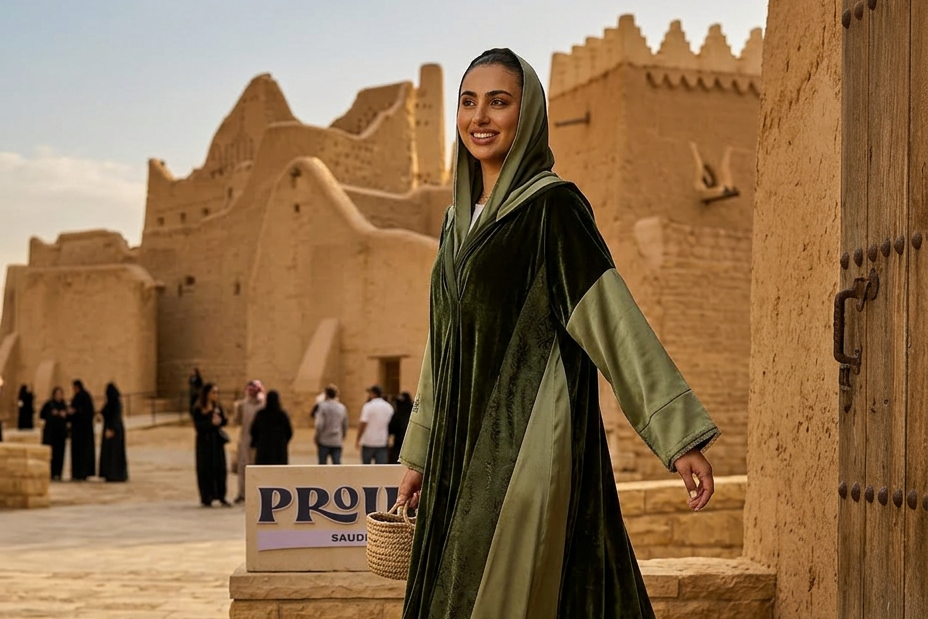
A few years ago, creating a high-end product photoshoot meant one thing: budget. Location, models, styling, lighting, production, and revisions. And even after all that, you still weren’t guaranteed the result you imagined. Today, I built a full campaign — wide shots, mid shots, close-ups, detail shots, and lifestyle scenes — without booking a studio, hiring a model, or moving a single product. Just using a system I built on Weavy.ai. And that’s when it became clear: this isn’t just a new tool. This is a shift in how visual content is created.
Product photography has always been expensive because it depended on coordination. You needed the right location, the right model, the right lighting, and the right timing. If one element was off, the entire shoot suffered. And even when everything worked, scaling was slow. If you wanted five variations, you needed another shoot. If you wanted a new campaign, you had to start over. The limitation was never creativity. It was the system itself.
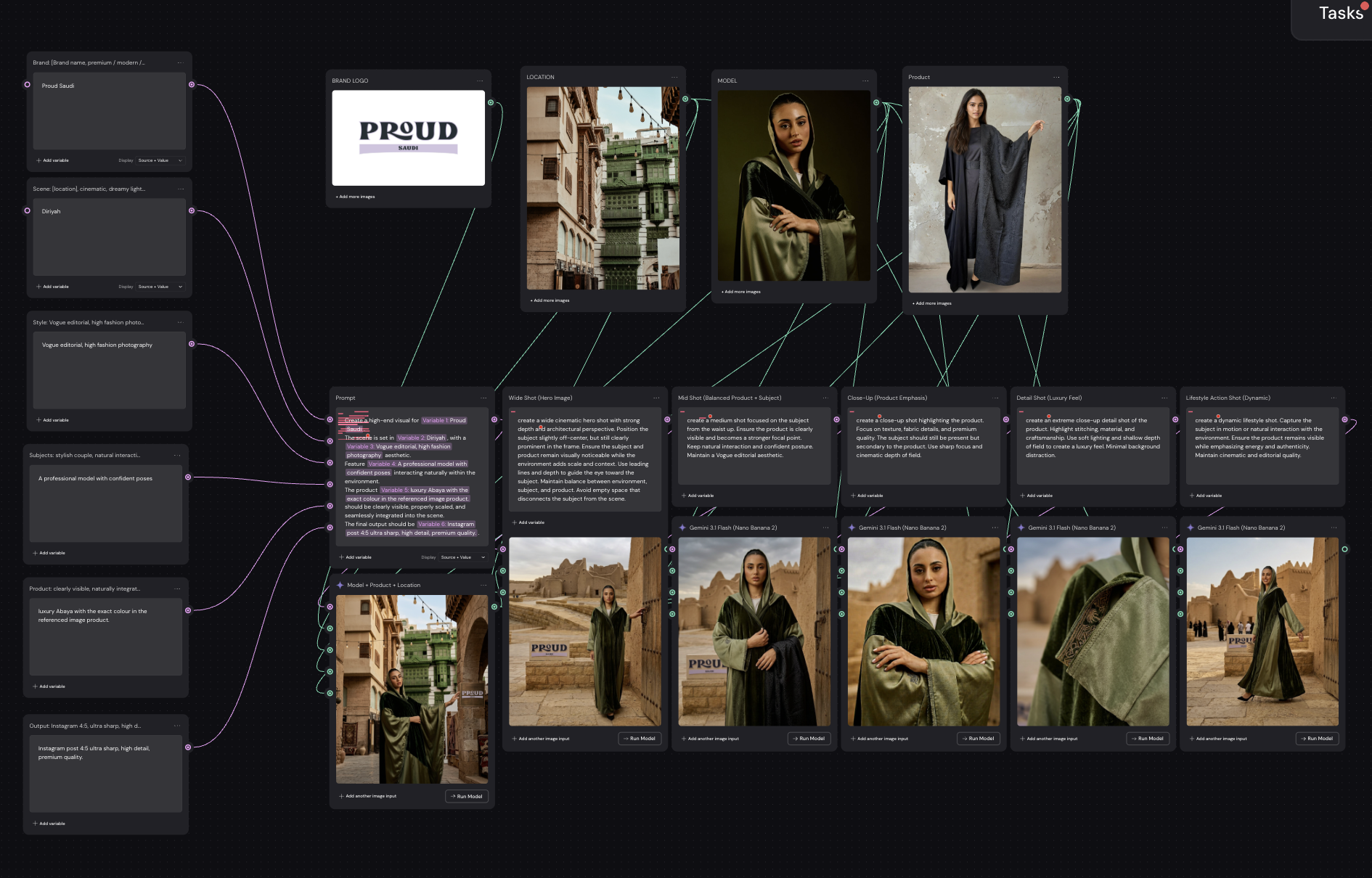
What tools like Weavy.ai introduce is not just automation — it’s a new role entirely. You are no longer producing content. You are directing it. Instead of asking, “How do we shoot this?” you start asking, “How should this feel?” That shift changes everything. The system I built works by defining the brand, the scene, the subject, and the product. From there, it generates not just one image, but an entire visual system that feels consistent, intentional, and aligned.
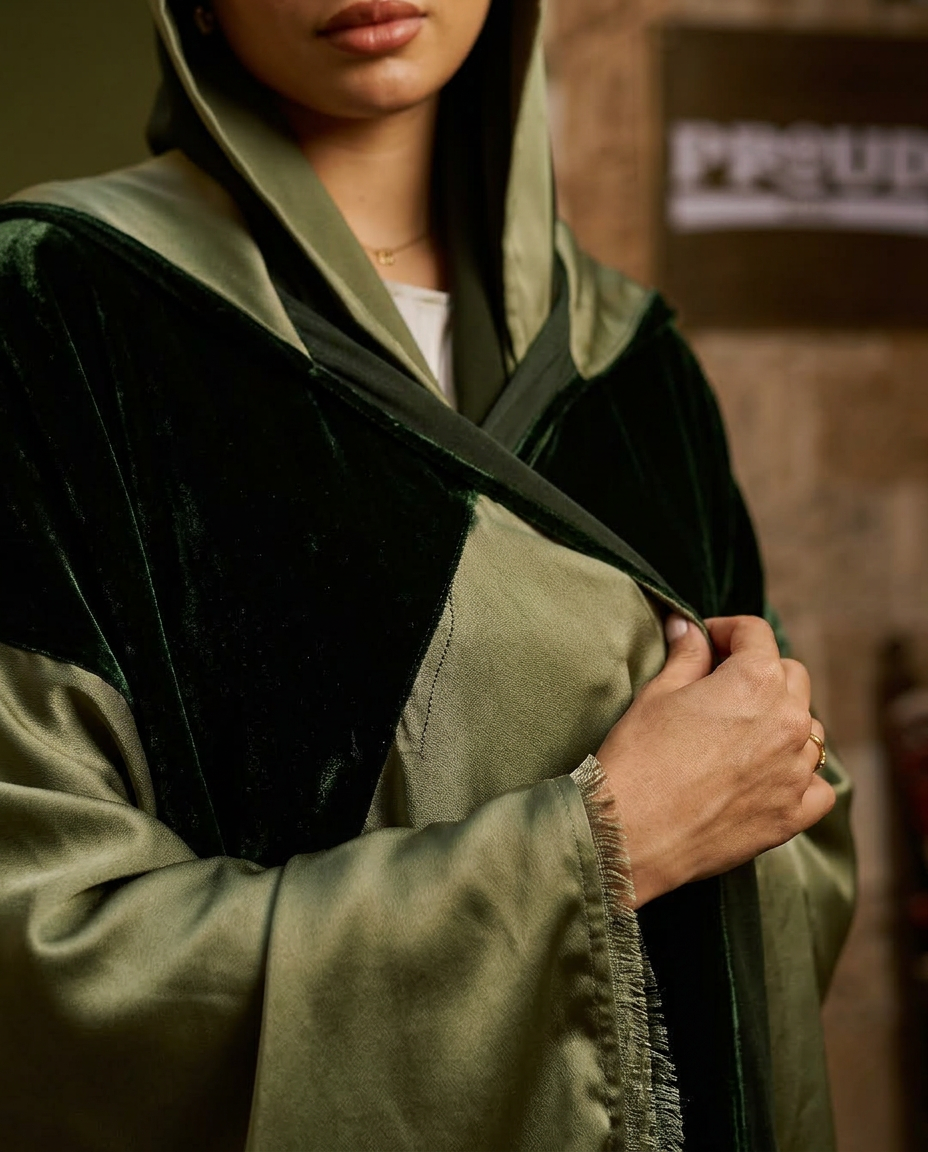
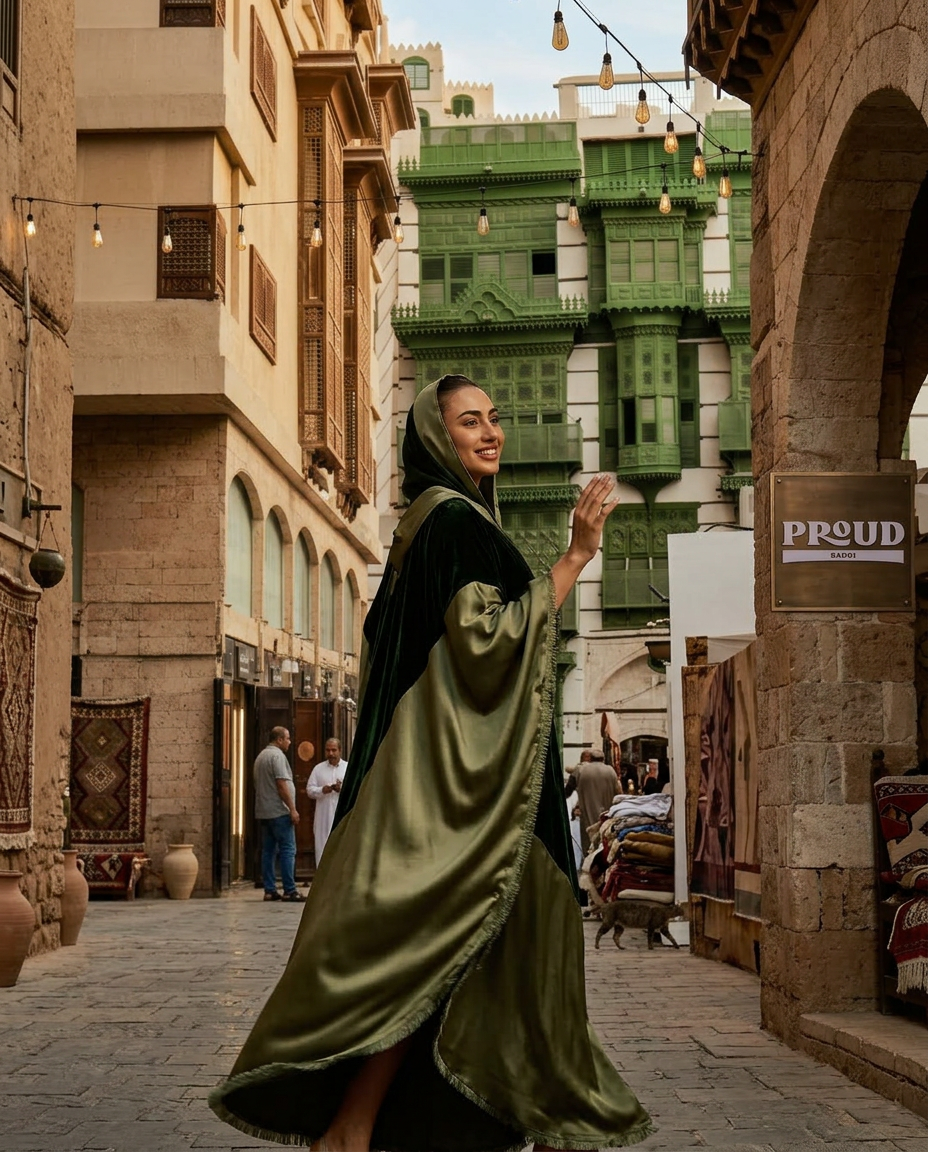
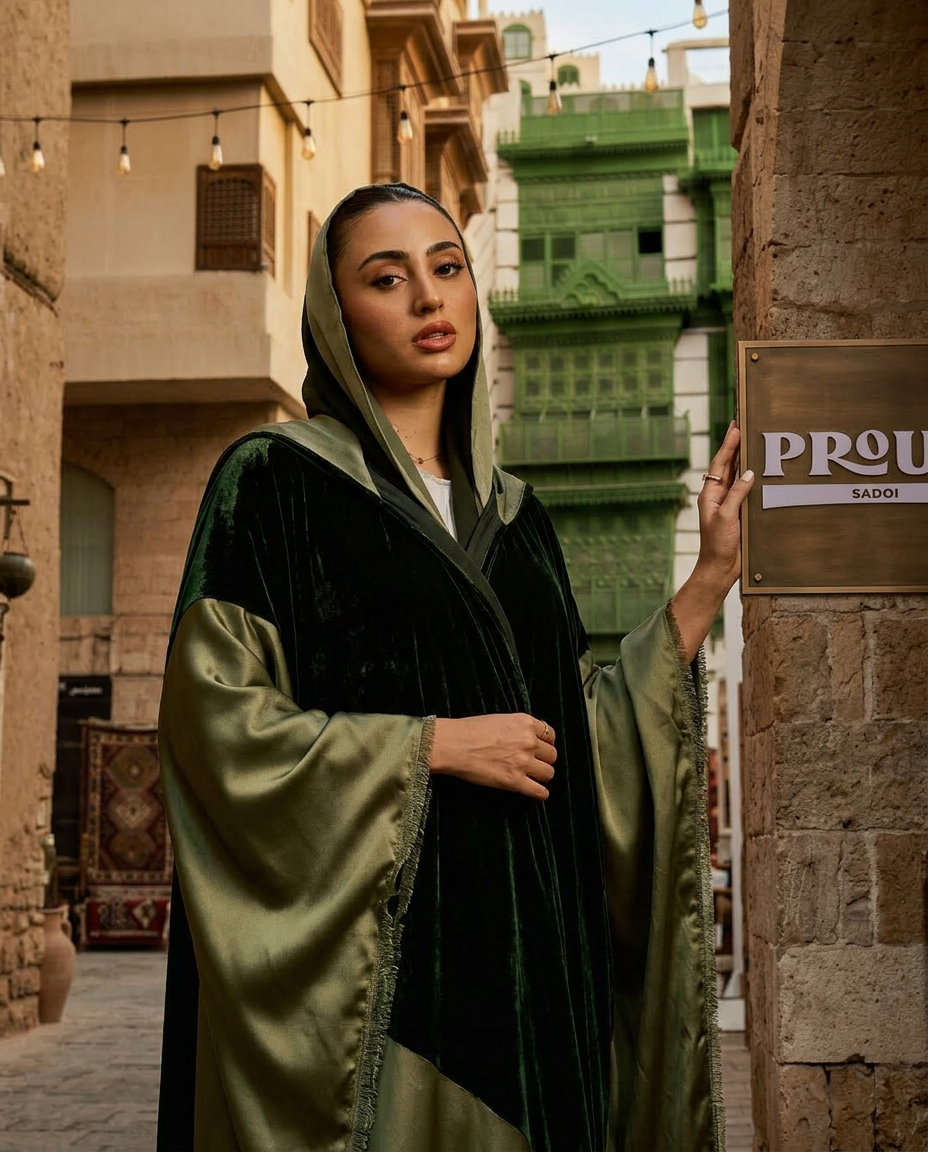
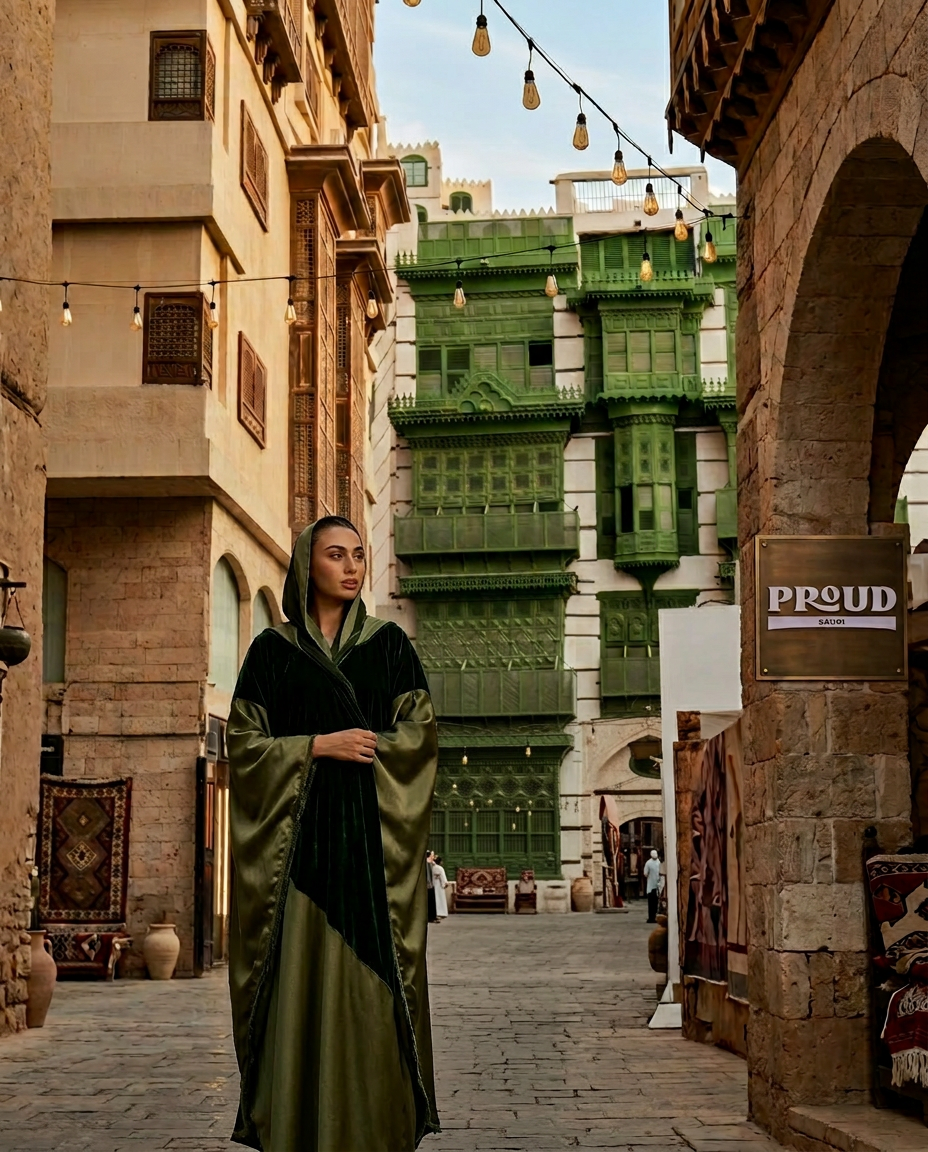
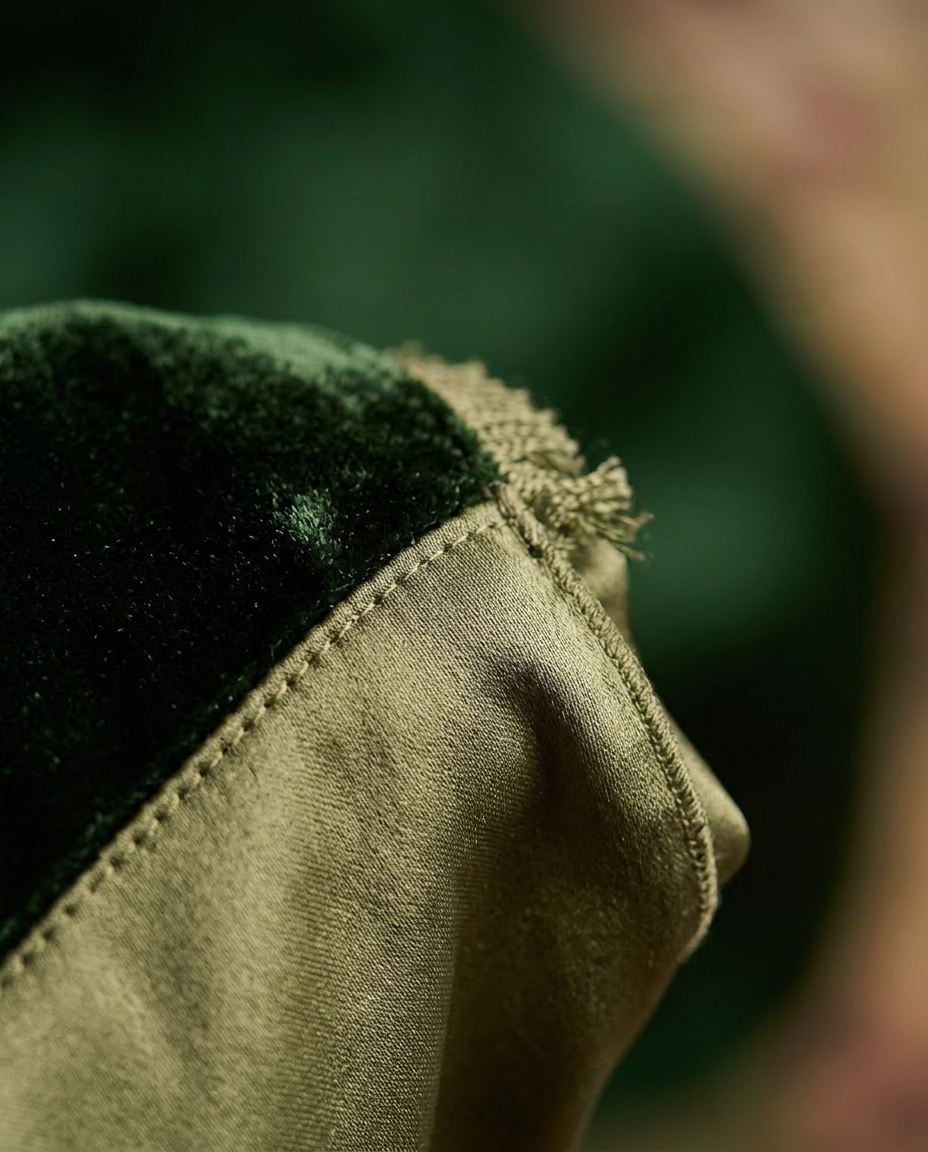
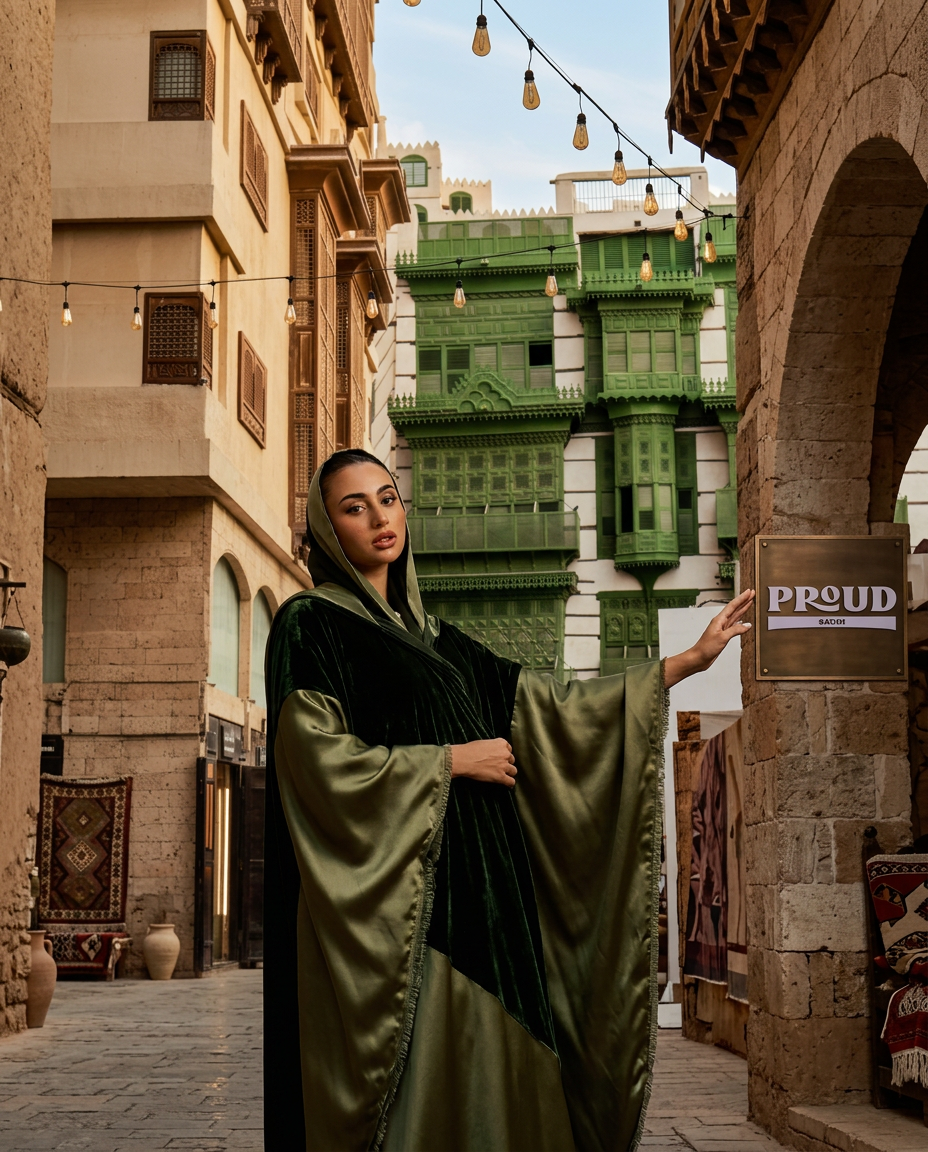
In a traditional shoot, you capture moments. In this new approach, you design coverage. From one base direction, I generated a full campaign: a wide cinematic hero shot, a balanced mid shot, a close-up focused on the product, a detail shot highlighting craftsmanship, and a lifestyle shot with movement. Each image wasn’t random. Each one had a role. This is how real campaigns are structured — the difference is that now it happens in minutes, not days.
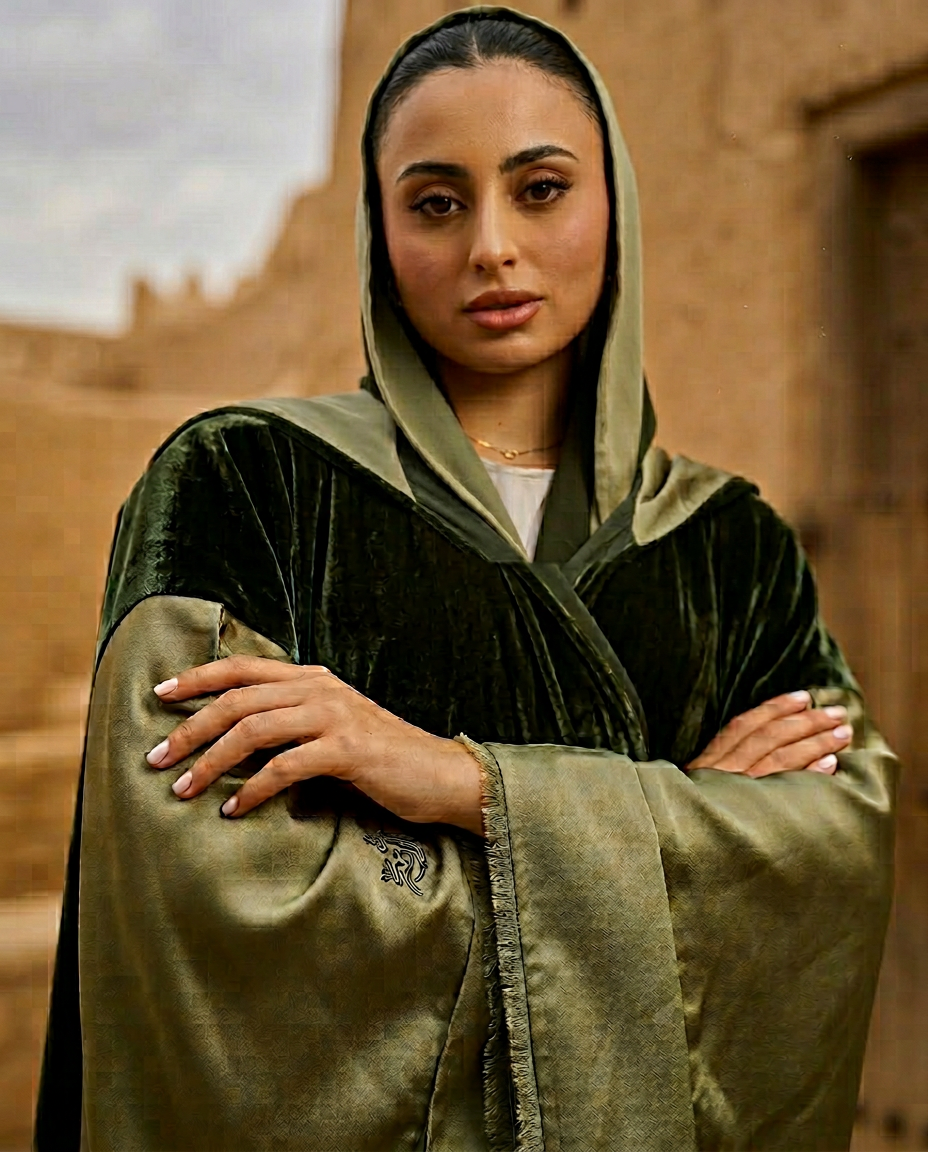
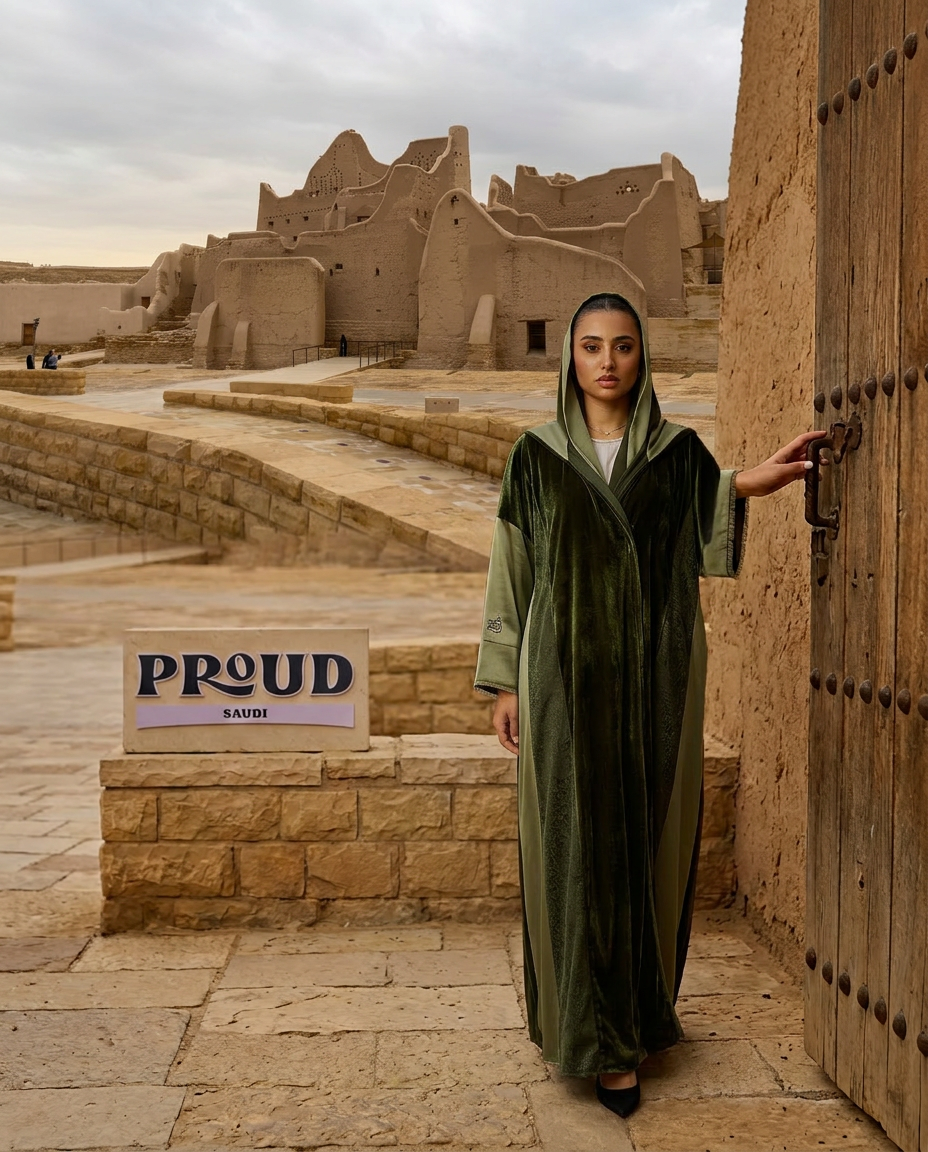
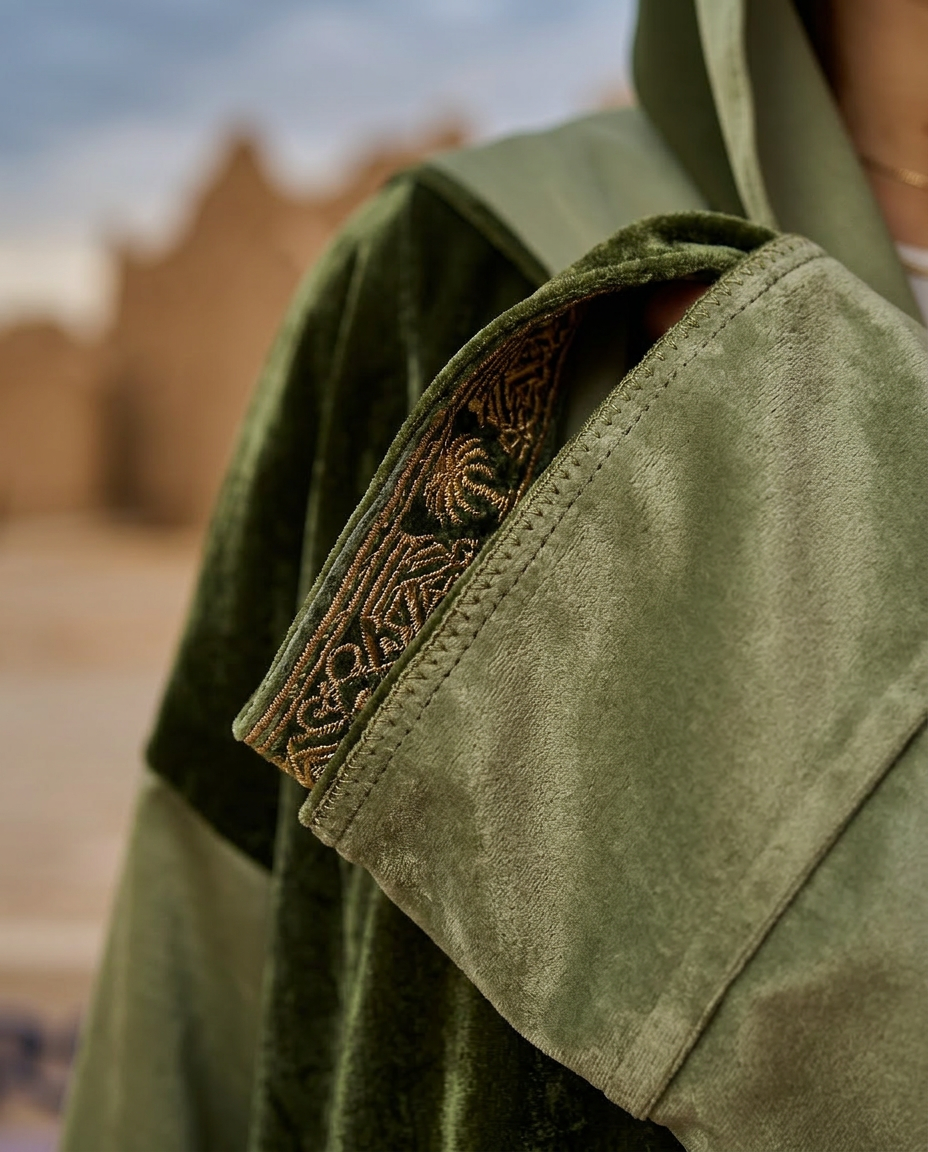
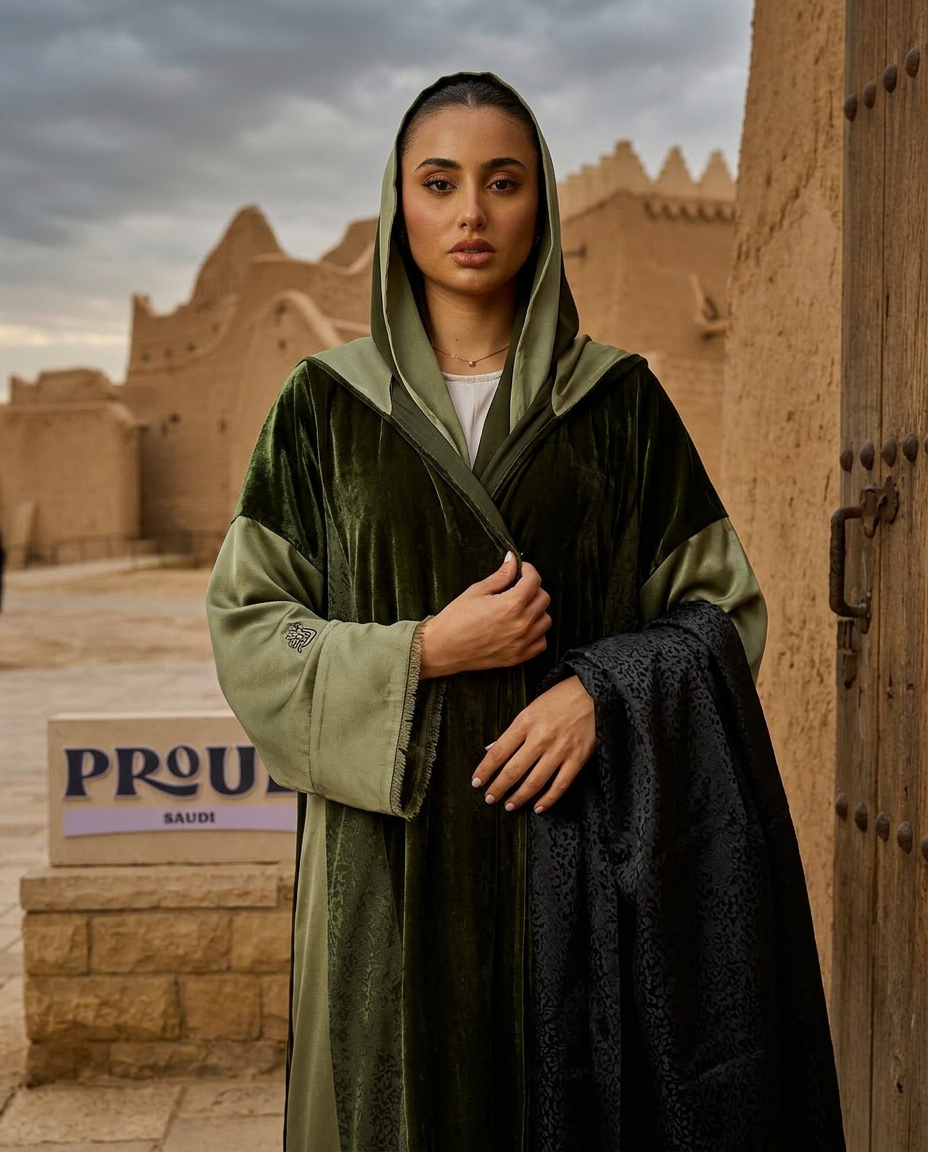
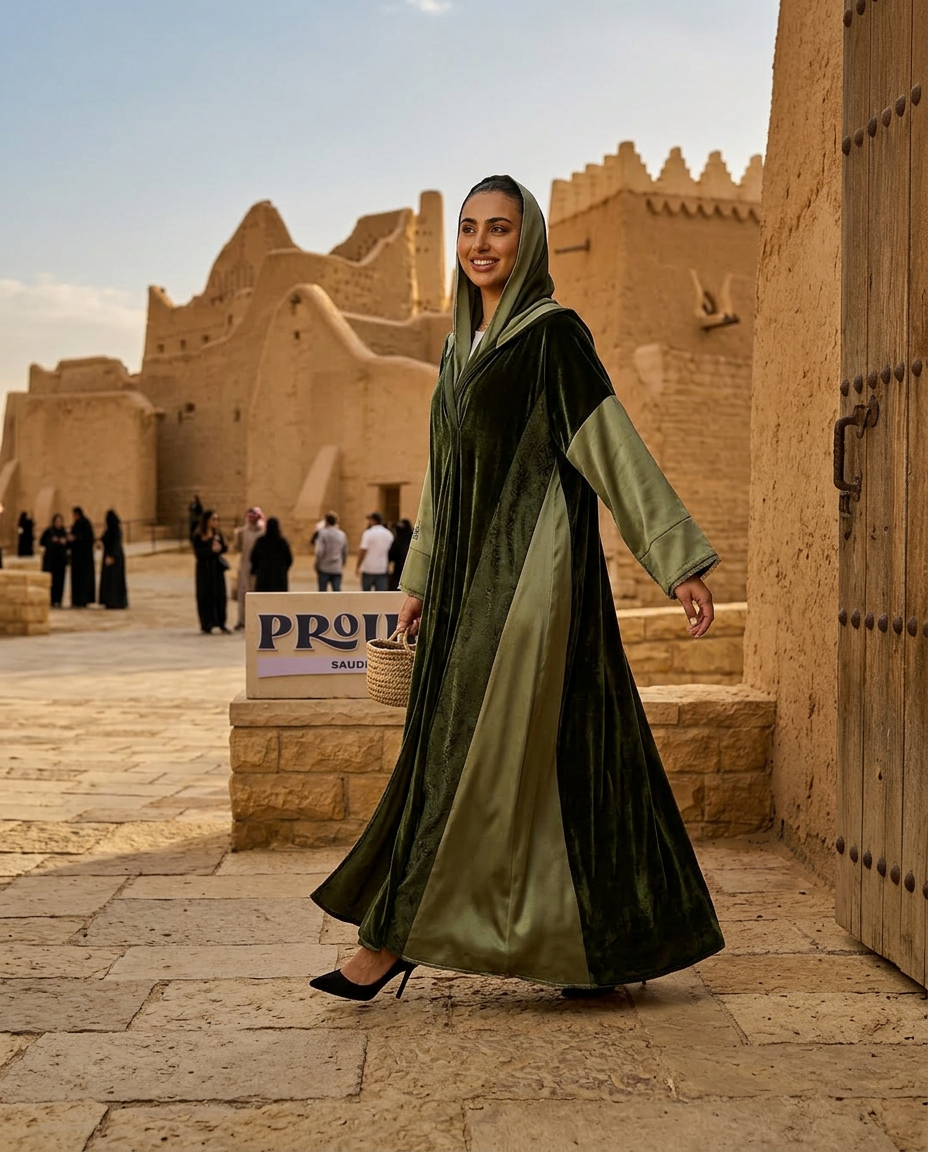
Most people think AI is about speed. It’s not. It’s about control. In a traditional shoot, you react to what you get. In this system, you design what you want. You control composition, lighting style, product dominance, and narrative. And most importantly, you can iterate instantly. You’re no longer locked into one outcome. You’re building a direction and refining it in real time.
This shift is even more powerful in Saudi Arabia, where identity and cultural context matter deeply. Before, creating localized campaigns meant managing logistics, scouting locations, and increasing budgets. Now, you can build culturally relevant visuals that feel authentic and consistent without that friction. You can create scenes that reflect the market, the audience, and the brand — all while maintaining speed and flexibility.
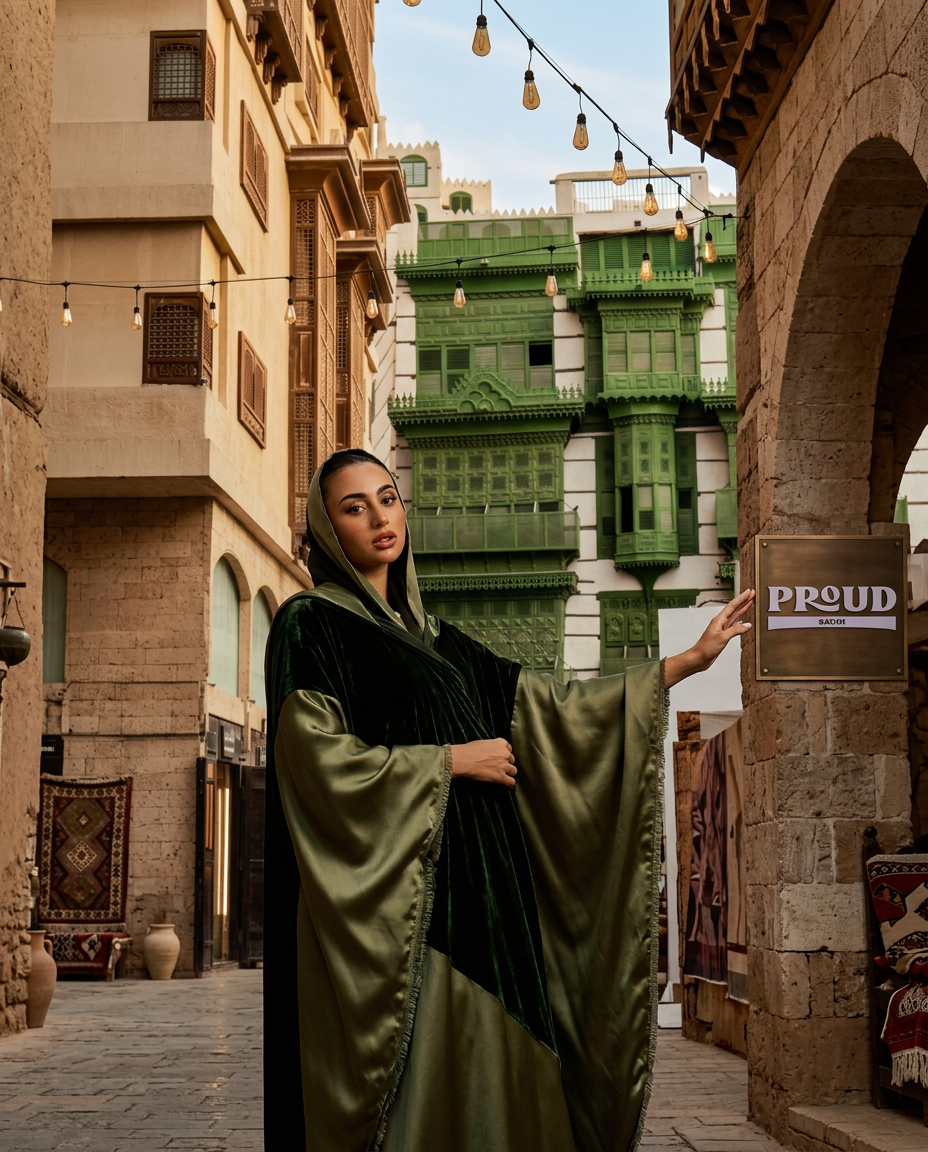
The biggest misunderstanding is thinking this is about reducing cost. It does reduce cost, but that’s not the real advantage. What it actually does is increase capability. You can test multiple directions, build content libraries instead of single assets, maintain visual consistency across platforms, and move at the speed of your strategy. This isn’t just more efficient production. This is better marketing.
Of course, not every brand will benefit from this shift. Tools alone don’t create advantage — systems do. Many will use AI to generate random images, focus on volume instead of direction, and lose consistency. Then they’ll conclude that AI doesn’t work. But the issue isn’t the technology. It’s how it’s being used. Without a clear system and creative direction, the output will always fall short.
The future of product photography is not about cameras. It’s about direction. The brands that win won’t be the ones with the biggest budgets, but the ones with the clearest identity, the strongest narrative, and the best systems. Because when production becomes instant, strategy becomes everything.
The question is no longer, “Can we create this?” The real question is, “Do we know what we want to create?” Because now, you can create anything.


Comments ()