

How Hamat Rebuilt Its Marketing Operations by Fixing the System, Not Adding More Tools

Most organizations don’t slow down because they lack software.
They slow down because their teams operate within unclear systems.
That was the reality facing Hamat.
With multiple malls, teams, and customer touchpoints, Hamat’s Digital Marketing, Customer Experience, and Events units were active and committed. Yet execution was becoming heavier over time. Work was spread across disconnected processes, responsibilities overlapped, and progress depended too much on coordination rather than flow.
The real question wasn’t how to do more.
It was about working with clarity.
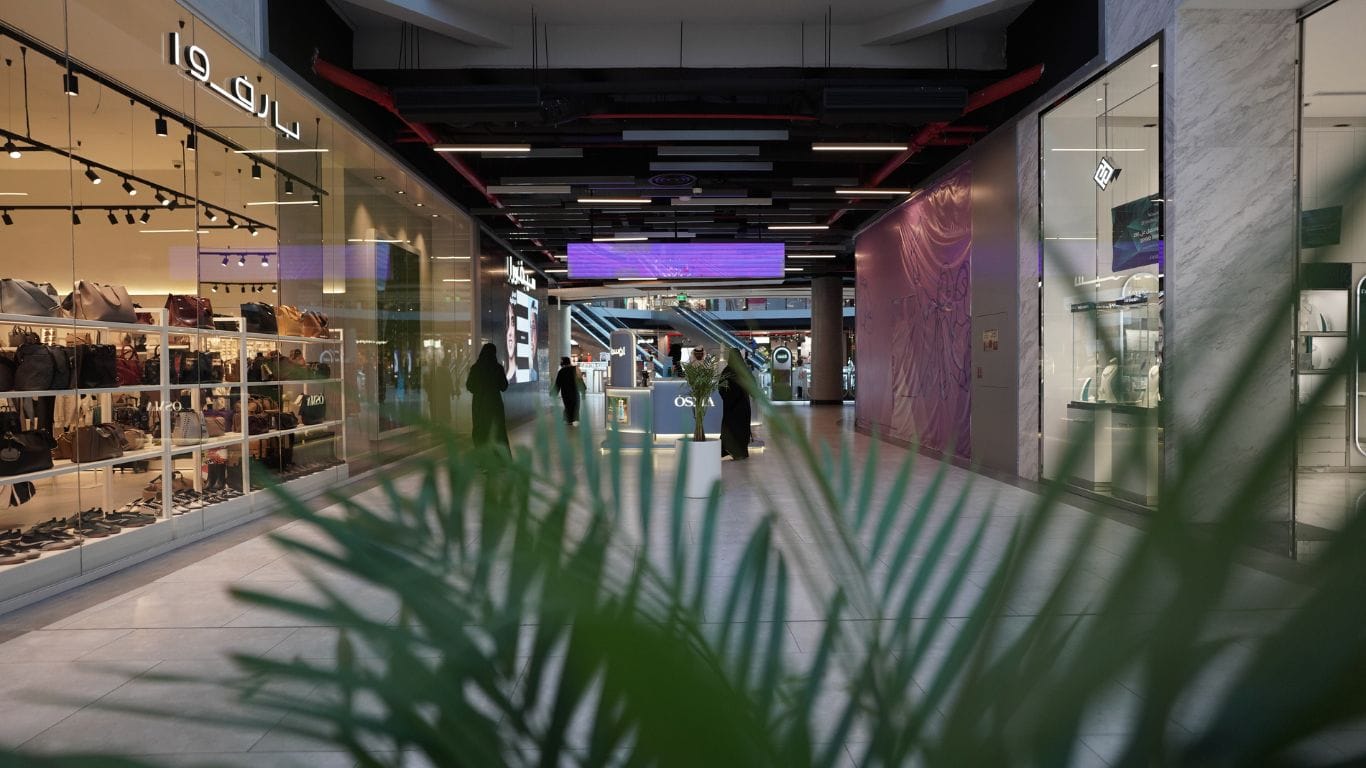
When Growth Exposes the System
As organizations scale, cracks appear, not in ambition, but in operations.
At Hamat, teams were moving fast, but not always together. Social media execution required quicker decisions. Event coordination demanded stronger alignment. Customer engagement needed consistency across locations. None of these challenges were dramatic on their own, but together they created friction that quietly slowed momentum.
What Hamat needed was not another layer of activity.
They needed a clearer operating system.
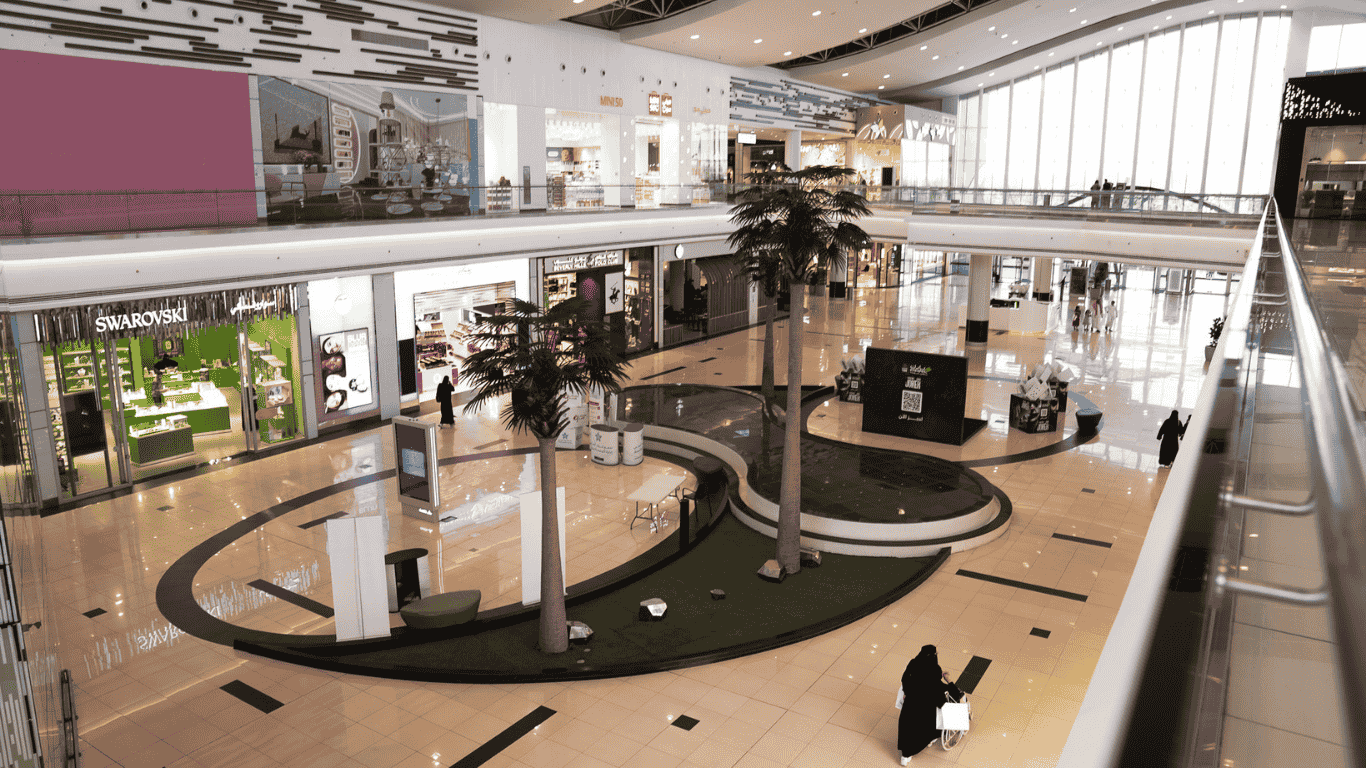
Arbaaa’s Starting Point: Design the Way Work Happens
At Arbaaa, we don’t begin with platforms or features. We begin by observing how teams actually work day to day.
The August 2024 program was designed around one principle:
Performance improves when roles, workflows, and accountability are clearly designed.
The objective was to help Hamat’s teams:
- Work within one shared operational structure
- Understand ownership at every stage of execution
- Reduce dependency on manual follow-ups
- Move faster without increasing pressure
Building a Unified Operating Model
Rather than introducing isolated solutions, the focus was on creating a single, shared workflow that all teams could operate within.
This included:
- A centralized structure for managing projects and responsibilities
- Clear documentation of how work should move from planning to execution
- Standardized processes that reduced ambiguity and rework
- A consistent rhythm for content, engagement, and event coordination
The result was a system that supported collaboration instead of slowing it down.
Clarifying Roles to Unlock Speed
One of the most important shifts was redefining ownership across teams.
Instead of shared responsibility for everything, each function had a clear mandate:
- One team focused on direction, planning, and oversight
- Another owned engagement and responsiveness
- A third managed event execution and follow-through
This clarity reduced internal friction and allowed teams to operate with greater confidence and independence.
Bringing Execution Closer to the Ground
A key change in the model was empowering on-site marketing officers at selected malls to take ownership of daily execution.
This decision had a simple logic: the people closest to what’s happening can act fastest and most accurately.
By shifting execution closer to the ground:
- Content became more timely
- Messaging reflected real activity, not assumptions
- Engagement felt more authentic and relevant
What started at two locations is now positioned to scale across Hamat’s wider portfolio.
What Changed After the Program
The impact of the August program was practical and immediate:
- Teams operated within clearer workflows
- Cross-functional coordination improved
- Execution speed increased
- Output quality became more consistent across locations
Perhaps most importantly, teams reported feeling more in control of their work. They knew what they owned, how their work connected to others, and how progress was measured.
Why This Approach Worked
This initiative worked because it focused on how work happens, not just what gets delivered.
Instead of overwhelming teams with new layers:
- Processes were simplified
- Responsibilities were clarified
- Feedback was used to adjust in real time
- Systems were designed to support people, not replace them
The result was sustainable improvement, not temporary momentum.
Looking Ahead
The August 2024 program established a strong foundation for long-term operational maturity.
The next phase focuses on:
- Ongoing capability development
- Continuous refinement of workflows
- Expanding the model across additional locations
- Supporting teams as responsibilities evolve
This ensures growth without sacrificing clarity or execution quality.
A Final Thought
Operational excellence doesn’t come from doing more.
It comes from removing friction.
Hamat’s journey shows that when organizations invest in how work is structured, teams move faster, collaborate better, and execute with confidence.
That’s when real progress begins.
Comments ()