
Nahj Ep#11: Turki Fageera on the Philosophy of Innovation and Creative Confidence
In Ep#11 of podcast Nahj, Turki Fageera shares a deep look at innovation, AI, and how to unlock the creative confidence needed to solve real-world human problems.
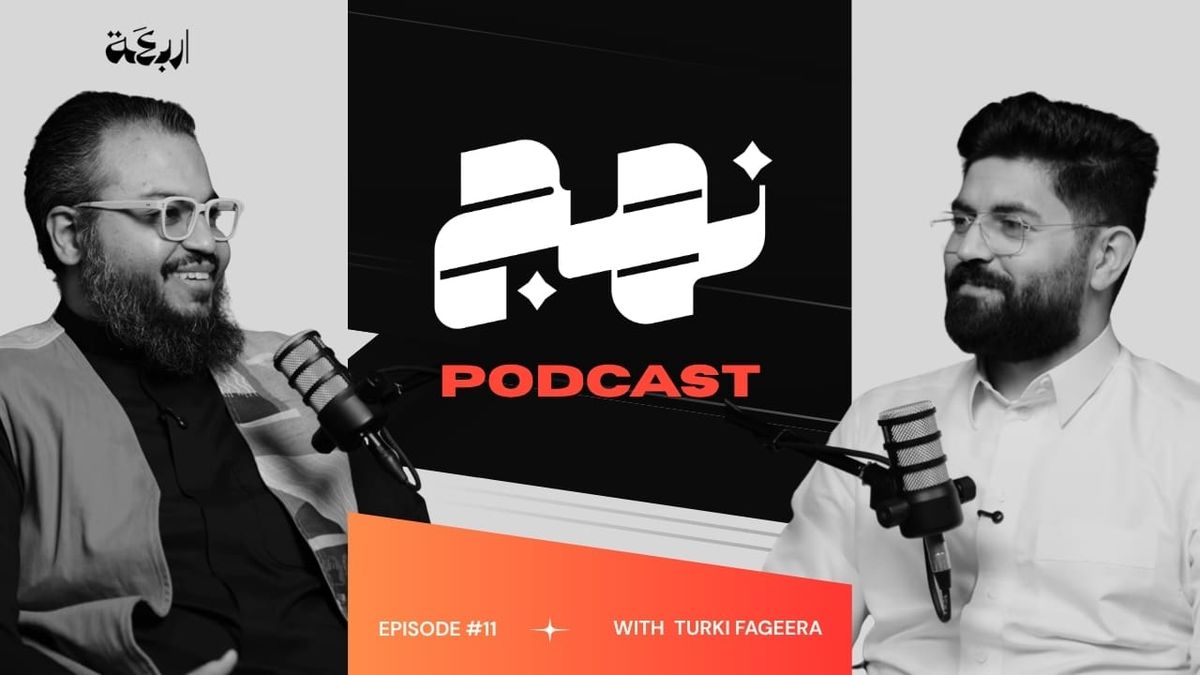
In Episode 11 of podcast Nahj (نَهْج), Ameer Albahouth sits down with Turki Fageera, an engineer and innovation leader whose journey has been shaped by technology, design thinking, travel, and a long-standing curiosity about why some societies create while others mainly consume. Moving beyond innovation as a business term, Turki explains why design is fundamentally about solving human problems. He reflects on growing up in Jeddah, searching for a clearer sense of Saudi identity, leaving a secure career after the launch of Vision 2030, and building a mission around developing confident Arab innovators.
This episode explores creative confidence, human-centred services, the possibilities created by artificial intelligence, and why people should build their lives around meaningful problems rather than temporary job titles.
6 Key Takeaways from Turki’s Journey
1. Design Is Not How Things Look. It Is How Things Are Solved
Turki challenges the common idea that design is only about appearance, graphics, or visual style. At its core, design is the process of identifying a problem and creating a thoughtful solution. Whether you are planning national infrastructure, building a digital platform, or shaping a brand strategy, you are using design. Every problem does not simply need a technician to complete a task. It needs someone who can understand the people affected, identify the source of the difficulty, and build a bridge between the problem and a better experience.
2. Anchor Your Life to a Cause, Not a Temporary Solution
Products, frameworks, technologies, and software will eventually change or become outdated. Turki advises creators not to become too attached to one solution, because the tool that works today may no longer be useful tomorrow. Instead, people should commit themselves to a meaningful problem or cause. That cause could be improving communication, developing regional talent, or making public services easier to use. When your life is guided by a clear mission, you can change your tools without losing your direction. The solution may evolve, but the purpose remains.
3. True Innovation Prioritizes Human Dignity
You do not need to build rockets or invent new technology to create meaningful change. Improving the everyday experiences of citizens can also be a powerful form of innovation. Turki uses Absher as an example of human-centred service design. The platform did not depend on completely new technology. It brought together existing digital tools with a clear understanding of Saudi society, cultural preferences, and the daily needs of users.
Processes that once required paperwork, long queues, repeated visits, and personal connections could be completed through a much simpler experience. By removing unnecessary difficulty, the service gave people back their time and made their interactions with government more convenient and dignified.
4. Artificial Intelligence Makes Creation More Accessible
Artificial intelligence has greatly reduced the distance between having an idea and testing whether it can work. In the past, developing a digital product often required funding, a technical team, and months of work. Today, creators can use AI to write code without being experienced programmers, produce designs without formal design training, and develop early versions of tools without building a large company first.
This allows people to prototype, test, and fail much faster. Instead of spending a year building an idea before discovering that it does not work, they can test it within days and use what they learn to improve the next version. AI does not guarantee success, but it gives more people the ability to turn their ideas into something real.
5. Creative Confidence Belongs to Everyone
Turki believes that there is no such thing as an uncreative human being. Creativity is not limited to artists, designers, or entrepreneurs. It is a natural human ability to explore, build, question, and solve problems. However, traditional education and career systems often encourage people to follow one narrow path. Over time, this can make individuals lose confidence in their instincts and believe that creativity belongs to someone else.
Rebuilding creative confidence requires people to experiment, leave familiar environments, accept failure, and discover the strengths that come naturally to them. Turki describes this as finding your personal superpower: the ability or perspective that makes your contribution different from everyone else’s.
6. Develop the Innovator, Not Only the Innovation
A strong innovation ecosystem cannot be built through technology or isolated ideas alone. It depends on people who have the confidence, skills, and courage to create change. Turki realised that his mission was not simply to become an innovator. It was to help develop more innovators. His goal is to reach the small percentage of people who are willing to question existing systems, build paths that do not yet exist, and inspire others to believe in a different future.
But innovation should not remain inside presentations, corporate departments, or private conversations. It must reach society and improve people’s lives. For Turki, the larger mission is to help build a generation of Arab creators and problem-solvers who can continue leading progress beyond the current goals and timeline of Vision 2030.
🎙️ New Episodes Drop Every Month!
Want to be featured on Nahj or know someone whose story deserves the mic?
If Turki Fageera’s philosophical take on creative confidence, systemic design, and human purpose shifted your perspective, subscribe for more deep conversations with the minds rewriting the creative and entrepreneurial future of the Kingdom.